Zimbabwe’s decision to suspend the export of raw lithium and lithium concentrates has triggered debate across the mining sector, raising questions about investment, industrialisation, and the country’s long-term economic strategy.
The move, announced on 25 February 2026, is part of a broader push by government to strengthen control over strategic minerals and promote local value addition.
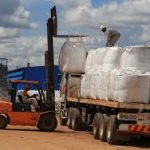
While the announcement may appear sudden, the export ban is not entirely new. Zimbabwe had already introduced restrictions through Statutory Instruments in 2022 and 2023, which limited the export of unprocessed base minerals, including lithium. What has changed is the level of enforcement. Authorities are now tightening controls amid concerns that some mining companies were accelerating exports ahead of a planned 2027 phase-out of lithium concentrate exports.
Government has also raised alarm over reports of lithium stockpiling in neighbouring countries, a practice it says undermines national revenue and weakens oversight of the country’s mineral resources.
At the centre of the policy is beneficiation, the process of adding value to raw minerals before export. Zimbabwe is seeking to move up the value chain by producing lithium sulphate in the short term, followed by lithium carbonate and lithium hydroxide over time. The economic argument behind this shift is significant. Raw lithium ore can fetch as little as US$30 to US$50 per tonne, while battery-grade lithium products can reach between US$18,000 and US$22,000 per tonne. This gap highlights the potential gains from domestic processing.
However, the transition is already creating pressure within the industry. Mining companies have reported disruptions to export agreements, financial losses linked to halted shipments, and growing uncertainty about the policy environment. The move has also drawn attention from international investors, some of whom are reassessing their exposure to Zimbabwe due to concerns over policy consistency.
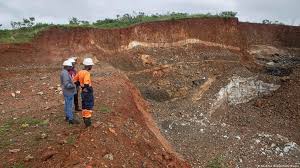
Zimbabwe remains a significant player in the global lithium market, with projections suggesting it could contribute around seven percent of global supply. If the policy succeeds, it could position the country as a key supplier of processed lithium products and attract investment from battery and electric vehicle industries. At the same time, competition from established producers such as Australia, Chile and Argentina, as well as emerging African producers, presents a real challenge.
One of the biggest obstacles to achieving beneficiation is infrastructure. Zimbabwe continues to face electricity shortages, with demand exceeding supply, while the cost of establishing lithium processing plants can reach between US$400 million and US$500 million. Transport systems remain weak, and most processing technologies still need to be imported.
In the short term, the export ban is likely to reduce government revenue from mineral exports while also affecting mining companies and related industries such as logistics. Over the longer term, however, the policy could increase national earnings, create jobs, and support industrial development if it is backed by the necessary investment and planning.
Zimbabwe’s lithium export ban represents a bold attempt to shift from resource extraction to industrialisation. Its success will depend not just on restricting exports, but on whether the country can build the infrastructure, policy clarity, and investor confidence needed to turn lithium into a driver of sustainable economic growth.
(Source -ZELA)