The Parliamentary Portfolio Committee on Environment, Climate and Wildlife recently visited Sabi Star Mine in Buhera, Manicaland Province, to verify concerns raised by the Buhera Residents Association over the impact of mining activities in the area.
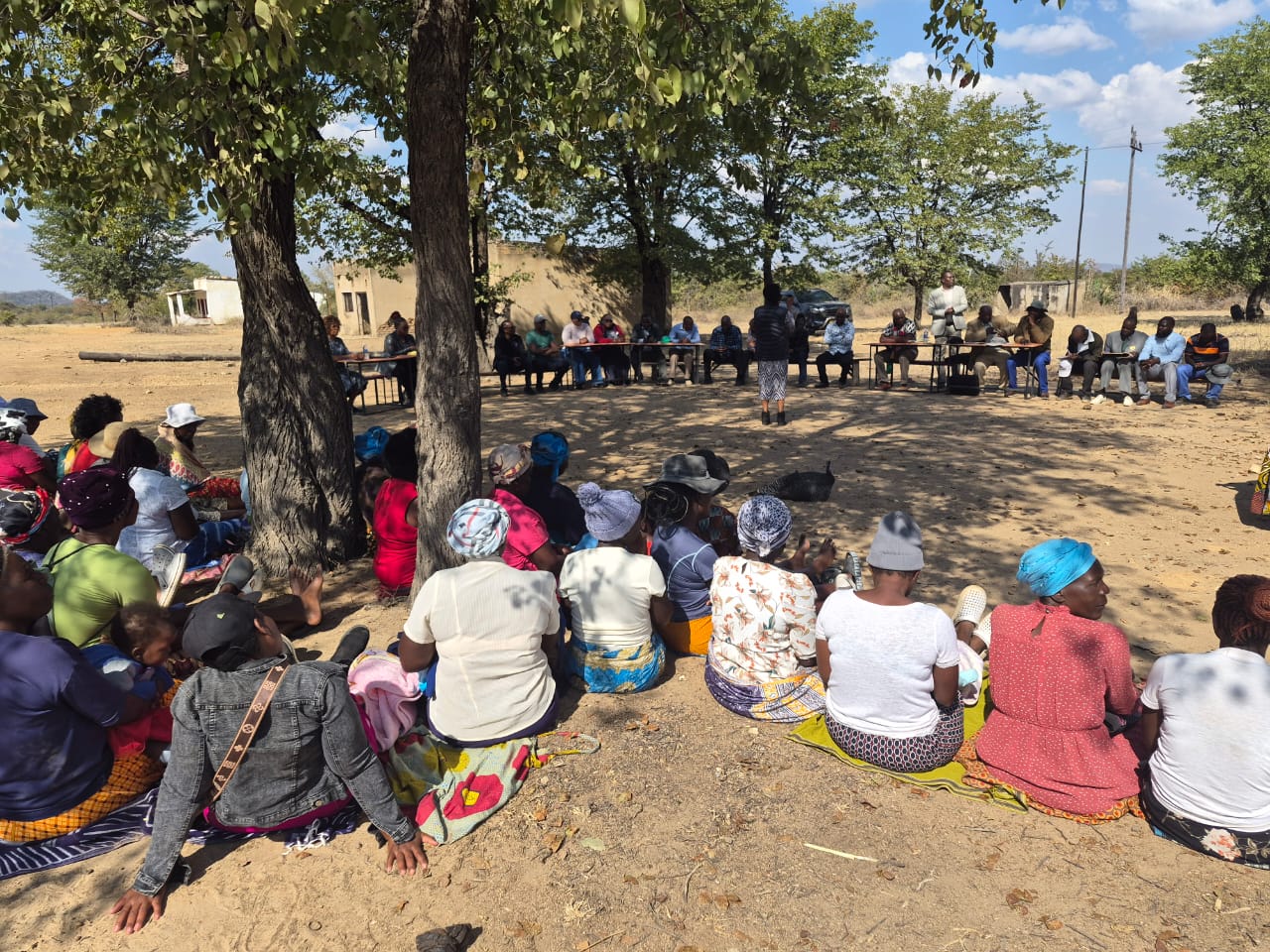
The oversight visit saw the committee engaging communities in Ward 12, inspecting areas affected by mining operations including St Albans Primary School in Ward 11 before concluding with a stakeholders’ meeting in Murambinda.
The exercise formed part of Parliament’s oversight mandate to gather first-hand information from residents, traditional leaders, local authorities and the mining company on the social, economic and environmental impacts of lithium extraction.
Residents who interacted with the committee confirmed that families impacted by mining activities had received monetary compensation following land acquisition, while others had been relocated to Murambinda Township, where they were allocated new five-roomed houses.
Residents confirmed that among them, some had benefited from employment opportunities, with some community members now permanently employed by Sabi Star Mine, while others had been engaged on a shift basis.They also commended the mine for building a clinic in the community.
Pride Chingoma, a local resident employed at the mine, said the job had provided him with an opportunity to support his family but hoped more residents would also benefit from the project.
“My wish is that as a community we realise that this mine is a blessing to us and engage with the investors for rehabilitation of roads and water supply to ensure mutual benefits for everyone,” Chingoma said.
Buhera North Ward 12 Councillor James Mhlanga, who has served as councillor for 20 years and has been involved in the project since its exploration phase, said the mine’s development involved consultations between the company, Government authorities, traditional leaders and local communities.
“I have been actively involved in the mine’s development since its inception as a greenfield project. Throughout the exploration, community consultations, relocation, exhumations, mine construction and recruitment of local employees, I have worked closely with Government authorities, traditional leaders and mine management,” Mhlanga said.
He said consultations were conducted before major project activities were implemented.
“From the commencement of the project, Sabi Star Mine consistently engaged traditional leaders, Government departments and the local community before implementing major activities. Consultative meetings were conducted transparently, with community concerns being discussed and resolutions recorded.”
On relocation, Mhlanga said 45 families were affected by the development of the mining claim and the process was coordinated through an Inter-Governmental Task Force involving Government departments and traditional leadership.
“Affected families were afforded sufficient time to consult relatives, legal advisers and other stakeholders before making decisions regarding their preferred relocation destinations,” he said.
According to Sabi Star Mine’s Corporate Social Responsibility report, the relocation of affected communities was preceded by consultations involving families, traditional leaders and Government officials to discuss relocation arrangements, compensation and the relocation of graves.
Mine officials say they compensated villagers whose farmland fell within Max Mind’s mining claims and was required for the development of the Mine. The compensation enabled affected villagers to prepare alternative farmland and continue their agricultural activities. This formed part of the Mine’s measures to address the impacts of land acquisition.
The company reported that 40 families from Mkwasi and Tagarira villages were relocated to facilitate mining development. Of these, 23 families opted to resettle in Murambinda Township, while others chose nearby areas including Mkwasi, Tagarira and Ngwazane.
Sabi Star said it constructed replacement homes for relocated families, provided compensation for affected assets, farmland and other disturbances, and installed supporting infrastructure including water and electricity systems, property fencing and transport assistance during relocation.
“The Mine provided transportation assistance to affected families during the relocation process. The support facilitated the movement of household belongings, farming implements, domestic animals and other personal property to the new resettlement areas. This assistance helped ensure an orderly and efficient relocation process.”
The company also reported that eight graves belonging to three adults and five children were exhumed and relocated from Mkwasi Village during mine development. The exercise was conducted in the presence of affected families, traditional leaders and Government officials, with the company covering associated costs and compensating affected families.
Beyond relocation, Sabi Star said it has invested in community development initiatives including road rehabilitation, construction of a community clinic, solar-powered boreholes for communities and schools, education support programmes, livelihood projects and assistance to vulnerable groups.
The company said it has also implemented environmental and social programmes including tree planting, waste management initiatives in partnership with the Environmental Management Agency (EMA), environmental compliance audits and dust suppression trials.
“The Mine re-gravelled the Gaza–Sabi Star Mine Road to improve its condition and accessibility. The project benefited the Mine, surrounding communities and other road users. It also contributed to improved transportation along an important local road corridor.”
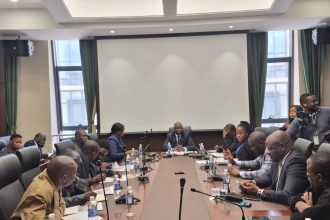
During engagements with stakeholders, including local authorities, the committee also examined concerns raised in the petition regarding residential stands, title deeds, sewer services and other relocation-related issues in Murambinda.
The verification exercise established that some concerns raised by residents were not directly linked to Sabi Star Mine, but related to responsibilities falling under the local authority.
During questioning of stakeholders, including the town board leadership, it emerged that Sabi Star Mine had made payments to the local authority for the provision of residential accommodation and related infrastructure for relocated families and mine workers. However, the implementation of some of these arrangements, including the allocation of stands, servicing of residential areas and issuance of title deeds, fell under the responsibility of the local authority.
Concerns raised by some residents over discrepancies between the sizes of stands they expected to receive and those allocated were therefore attributed to council processes rather than the mining company.
The committee also heard that issues relating to sewer systems and other services were linked to the obligation of the local authority to provide properly serviced residential areas.
The findings highlighted the need for stronger coordination between mining companies, local authorities and communities to ensure that agreements linked to mining-induced relocation are fulfilled and that affected communities receive the promised benefits.
Environmental impacts were among the key issues examined during the parliamentary visit, particularly concerns around dust pollution, water resources and blasting activities.
Local councillor Mhlanga said the mine had implemented measures to reduce environmental risks.
“There are no issues of air pollution or environmental degradation along the main haulage routes. The mine is equipped with three water trucks, which regularly conduct dust suppression operations by spraying water on transportation roads within the mining area and surrounding regions,” he said.
He added that dust suppression efforts prioritised sensitive areas such as schools, clinics, shopping centres, churches and residential communities.
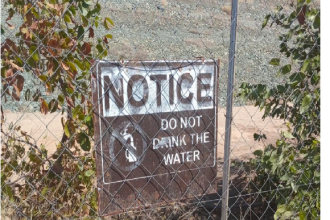
On water concerns, Mhlanga said there was no evidence linking the mine to water challenges in surrounding communities.
“There is no evidence indicating that surrounding communities have experienced water resource issues attributable to the mine. To improve community access to clean and reliable water, the mine has invested in and donated 30 solar-powered boreholes to local communities at no cost.”
He also said the mine does not use cyanide in its operations.
“The mine does not use cyanide or cyanide-related products in its operations. To the best of the company’s knowledge, there is no evidence of cyanide contamination in public water supplies.”
Sabi Star Mine said it continues to implement environmental management measures, including waste management programmes with EMA, compliance monitoring and trials of dust suppression technologies aimed at reducing environmental impacts.
As Zimbabwe expands lithium mining under its critical minerals strategy, the Sabi Star Mine case highlights the broader debate over how the country can balance mineral development, environmental protection and meaningful benefits for communities hosting mining operations.
While residents acknowledge the economic opportunities created by the mine, they continue to call for increased employment opportunities, improved infrastructure and long-term investments that ensure communities benefit from the country’s mineral wealth.