
by Tracey Chavango
I remember my childhood visits to our rural home as something almost magical. The air was cooler, the ground shaded, and everywhere you looked there were trees. The dam was always full, reflecting the sky, and water felt abundant.
Today, that landscape has changed.
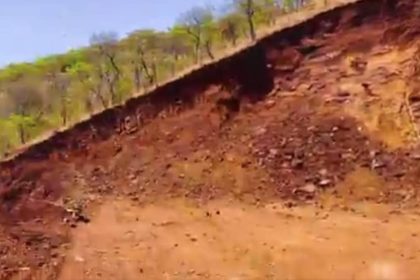
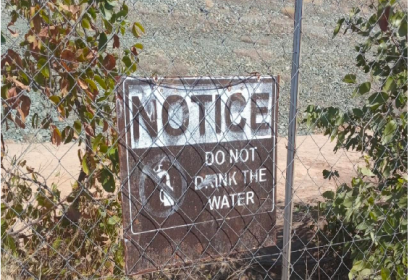
Where there were once thick clusters of trees, there are now houses and open fields. Many families have turned to farming, particularly tobacco, as a source of income. Around the dam, the scene is no longer calm. Water levels have dropped, pumps line the edges, and during dry periods, people dig into the dam bed itself in search of water. When the rains finally come, the water is often muddy and unsafe.
This is not just change. It is a lived experience of climate change in Zimbabwe.
Climate change refers to long-term shifts in temperature and weather patterns, often linked to human activities such as deforestation and the burning of fuels. In Zimbabwe, its effects are becoming increasingly visible: longer droughts, unpredictable rainfall, rising temperatures, and drying water sources.
But climate change here is not only driven by global emissions. It is also shaped by what is happening locally , how land is used, how people survive, and the choices communities are forced to make.
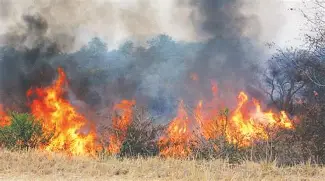
One of the most visible changes across rural Zimbabwe is deforestation. Trees are cut down to clear land for farming, to build homes, and to provide firewood for cooking. A major driver is tobacco farming, which requires large amounts of wood for curing. As more farmers turn to tobacco for income, the demand for firewood continues to rise.
Zimbabwe is losing vast areas of forest each year. What replaces those trees is not just farmland, but a different environmental reality. Trees help regulate temperature, protect soil, and support rainfall patterns. Without them, the land becomes more vulnerable to heat, erosion, and drought.
For many families, farming is not a choice but a necessity. Economic challenges and limited employment opportunities have pushed people toward agriculture. Tobacco, in particular, offers a more reliable income than many other crops.
But this survival strategy comes with consequences. Expanding farmland often means clearing forests. Intensive farming can degrade soil quality, and chemicals can pollute nearby water sources. As natural ecosystems shrink, the land becomes less resilient.
This creates a difficult reality: the very activities that sustain livelihoods in the short term may be undermining them in the long term.
Perhaps the most alarming change is the state of water. Dams that once held steady levels throughout the year are now drying up more frequently. Rivers run seasonally instead of continuously. During severe dry spells, communities are forced to dig into dam beds to access water.
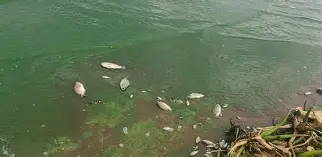
These practices, while necessary, come at a cost. Digging disrupts the structure of the dam and contributes to siltation, reducing its capacity to hold water. When rains arrive, the disturbed soil mixes with the water, leaving it dirty and unsafe.
At the same time, the loss of trees around these water bodies worsens the problem. Without vegetation to hold the soil and retain moisture, water evaporates more quickly and runoff increases.
What is unfolding is not simply environmental degradation. It is a cycle driven by pressure. Communities need land to farm, wood for energy, and water to survive. Yet each of these needs contributes to the degradation of the environment they depend on.
This is not a story of carelessness, but of constraint.
Climate change cannot be stopped overnight, but its impact can be reduced. In Zimbabwe, solutions must be practical and grounded in local realities.
Reforestation is one step. Planting trees and creating community woodlots can help restore what has been lost. Reducing dependence on firewood through alternative energy sources, such as solar power or efficient stoves, can ease pressure on forests. In tobacco farming, adopting more sustainable curing methods could significantly reduce wood use.
Climate-smart agriculture, including drought-resistant crops and better soil management, can help farmers adapt while protecting the land. Communities can also implement measures to protect water sources, preventing harmful practices that reduce water quality and availability.
Education and awareness are equally important. Understanding the link between everyday practices and environmental impact is key to long-term change.
The Zimbabwe of my childhood , shaded by trees and anchored by full dams — may not exist in the same way today. But the memory of it matters. It reminds us of what has been lost, and what could still be protected.
Climate change is often discussed in global terms, measured in emissions and temperature targets. But in rural Zimbabwe, it is experienced in more immediate ways: in the absence of trees, in the struggle for water, and in the changing rhythm of the seasons.
If the current path continues, the question is no longer just what has changed.
It is what will remain.