Pressure is mounting on the Government of Zimbabwe to intervene in Manhize amid growing allegations of displacement-related hardships, environmental pollution and poor living conditions affecting communities relocated to pave way for the country’s flagship steel project.
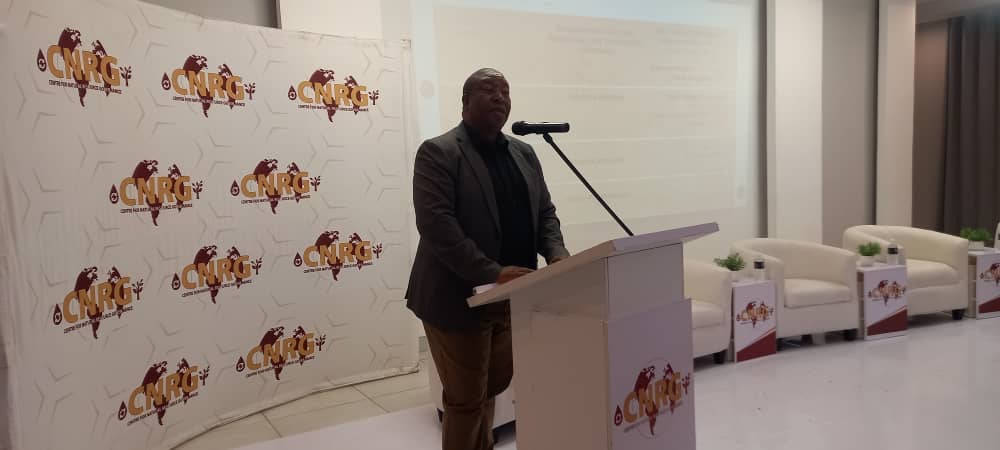
The Centre for Natural Resource Governance (CNRG) has raised alarm over what it describes as a worsening humanitarian and governance crisis linked to operations by the Dinson Iron and Steel Company, accusing authorities of failing to adequately protect vulnerable communities affected by the project.
In a statement, the watchdog said families displaced for the Dinson Industrial Park continue to face serious challenges, including unreliable access to water, inadequate compensation and worsening food insecurity. According to CNRG, six boreholes drilled at relocation sites reportedly turned into dry wells, leaving families without dependable water supplies.
The organisation said compensation arrangements have also become a source of concern, arguing that affected villagers were disadvantaged after their land was classified as state land, limiting compensation to structures and trees while excluding the broader livelihood value tied to farming and land use.
At the centre of the crisis are an estimated 22 families from Mushenjere village, many of them elderly residents aged between 80 and 90, who allegedly lost access to farmland following the expansion of industrial operations in the area.
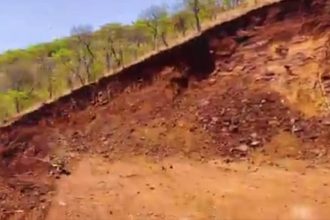
CNRG alleges that the construction of a perimeter wall around the industrial complex cut communities off from arable land they had relied on for subsistence farming for decades. The organisation further claims residents are now living near dust pollution and emissions from mining and limestone crushing activities.
For many households, the loss of farming land has reportedly worsened food insecurity.
“More than four years” after losing access to their fields, some affected families are still unable to resume agricultural activities,
Concerns have also emerged around relocation conditions. CNRG claims only three families have been moved to a proposed relocation site and that some houses have reportedly developed structural cracks despite appearing complete externally. Families are allegedly surviving on irregular subsistence payments of US$200 every other month, with the organisation arguing the amount falls short of meeting rising living costs. Payments reportedly stopped for several months at one point before protests by affected residents.
The organisation also raised concerns about worker welfare, alleging that medical tests conducted on some employees were not disclosed to workers and that results remain in company custody.
Further allegations point to a disconnect between public portrayals of the project and conditions experienced by communities on the ground. According to CNRG, media visits to the industrial operation often focus on production facilities while excluding relocation sites and areas allegedly affected by pollution.
The organisation is now calling for urgent government intervention, including independent structural assessments of relocation homes, improved water infrastructure, environmental and health investigations, stronger oversight of compensation processes and greater protections for elderly residents.
“Zimbabwe’s industrialisation agenda cannot be realised by sacrificing human dignity, community rights, and environmental justice,” CNRG said.