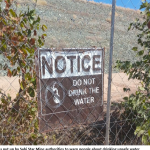
The Combined Harare Residents Association (CHRA) has raised alarm over worsening water pollution in Harare, describing it as the city’s most pressing public health and environmental crisis and urging stronger enforcement of environmental laws against polluting industries.
Speaking at a press briefing, CHRA programmes manager Mable Murambiwa said pollution in Lake Chivero and the Upper Manyame Catchment has reached critical levels, driven by continued discharge of untreated industrial effluent and raw sewage into the capital’s water sources.
Murambiwa said the ongoing pollution poses a serious threat to public health, the environment and residents’ constitutional rights to a clean environment and access to safe, clean and potable water.
In a statement, CHRA said continued contamination of water sources by industrial effluent and untreated sewage is violating residents’ constitutional rights to a clean environment and access to safe, clean and potable water.
The residents’ body said industrial pollution is largely driven by companies failing to install pre-treatment facilities before discharging waste into municipal sewer systems, contrary to the Environmental Management Act. It also blamed persistent sewer system failures in areas such as Crowborough, Firle and Chitungwiza for worsening pollution.
According to CHRA, its research identified major weaknesses in Zimbabwe’s water pollution control framework, including fragmented legislation, overlapping institutional mandates, weak regulatory oversight, poor coordination among responsible agencies and ineffective enforcement.
The association argued that although laws governing pollution exist, implementation remains weak, allowing industries to continue polluting with minimal consequences.
“In Zimbabwe, it’s cheaper to pollute rather than comply with the environmental water laws,” CHRA said, arguing that pollution permit fees and penalties are too low to deter offenders and are not being effectively used to restore damaged ecosystems.
The organisation added that discretionary powers granted to environmental officers in determining penalties have resulted in inconsistent enforcement and sanctions that are often disproportionate to the environmental damage caused.
CHRA said residents continue to shoulder the economic burden of pollution through rising water treatment costs.
The association noted that the City of Harare recently increased water tariffs in high-density suburbs from US$1.24 to US$1.89 per cubic metre, while charges in low-density suburbs rose from US$1.70 to US$2.34 per cubic metre.
It attributed the increases to the growing cost of treating polluted water, saying the municipality now requires up to 10 different treatment chemicals at an estimated cost of US$3 million each month.
CHRA further said an estimated 250 million litres of raw sewage flow into Lake Chivero every day, worsening pollution in Harare’s main water source.
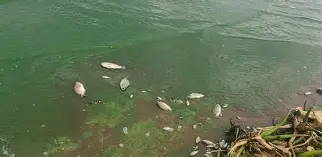
The pollution has also affected livelihoods through the continued ban on commercial fishing in the lake. However, CHRA warned that illegal fishing continues despite the ban, with contaminated fish reportedly being sold to residents and restaurants.
The association urged members of the public to avoid buying fish sourced from Lake Chivero, warning of potential health risks, while commending the government for maintaining the fishing ban.
As part of its proposed solutions, CHRA announced that it has developed a Model Statutory Instrument based on the “Polluter Pays Principle”, which seeks to strengthen environmental governance by ensuring polluters bear the full cost of environmental remediation and restoration.
The organisation said the proposed reforms would establish clearer enforcement mechanisms while aligning pollution fines and permit fees with the actual environmental damage caused.
CHRA also plans to launch a public awareness and advocacy campaign targeting councillors, legislators, community leaders, residents and government agencies to promote stronger enforcement of environmental and water laws.
In addition, it called on the Parliament of Zimbabwe to expedite amendments to the Environmental Management Act, the Zimbabwe National Water Authority Act and the Water Act to strengthen water pollution regulation.
While acknowledging government efforts to rehabilitate rivers through a Statutory Instrument gazetted in June under the Civil Protection Act, CHRA said the environmental crisis at Lake Chivero warrants urgent national attention.
“The situation at Lake Chivero deserves urgent attention and is, in itself, a state of national disaster,” the association said.