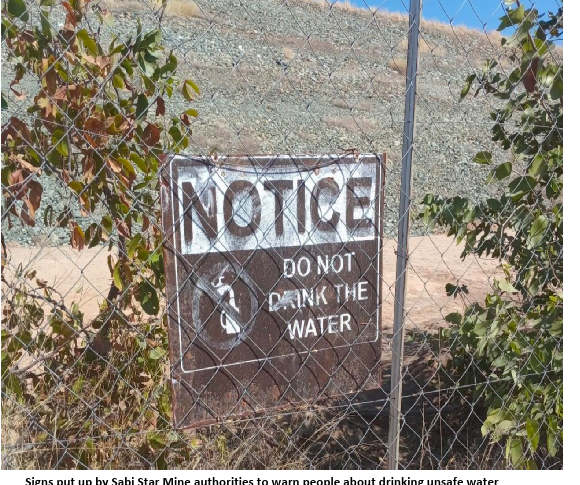
The Buhera Residents Network has petitioned Parliament to investigate Sabi Star Mine over allegations of water pollution, environmental degradation, worker injuries and the displacement of local communities linked to its lithium mining operations.
In a report submitted to the Parliamentary Portfolio Committee on Environment, Climate and Wildlife, the residents allege that the mine has contaminated water sources, generated excessive dust and noise, displaced farming families and compromised worker safety. The organisation is also calling for a broader parliamentary inquiry into the environmental and social impacts of lithium, gold and chromium mining across Zimbabwe.
According to the report, residents of Mukwasi Village claim that water from boreholes drilled by the mining company turns reddish-brown after settling, while a stream flowing from the mine’s waste dump emits a pungent smell. The submission also links increased dust and heavy truck traffic to respiratory illnesses, alleging that the nearby clinic has recorded more cases of pneumonia among children since mining operations began.
The organisation says water and soil samples were collected to investigate possible contamination but alleges that an initial batch of samples was lost by the Environmental Management Agency (EMA) laboratory, while some replacement test results were never released.
The report further argues that mining has undermined rural livelihoods through the relocation of families from communal farmland to 300-square-metre residential stands at Murambinda Growth Point, leaving many without adequate land for farming or livestock.
It also raises concerns over occupational safety, alleging that several workers have been injured at the mine, and criticises the continued export of raw lithium ore, arguing that Zimbabwe is forfeiting opportunities for local value addition, employment and industrialisation.
Among its recommendations, the Buhera Residents Network is calling for a national parliamentary inquiry into mining’s impacts on water security, environmental health, occupational safety and community displacement. It also urges lawmakers to amend legislation governing mining, water resources, environmental protection, communal land tenure and occupational health, while strengthening public access to Environmental Impact Assessments (EIAs) and tightening environmental monitoring and enforcement.
However, the mine’s representative presented Parliament with a written submission by Buhera North Ward 12 Councillor James Mhlanga with a contrasting account of the mine’s operations.
In his submission, Mhlanga says he has been involved with Sabi Star Mine since its establishment and maintains that the company has consistently engaged traditional leaders, government departments and the host community throughout the project’s development.
He says 45 families were relocated through an inter-governmental task force and were given adequate time to consult relatives, legal advisers and other stakeholders before selecting their preferred relocation destinations.
Mhlanga rejects allegations that the mine has caused environmental harm, saying there is no evidence linking its operations to groundwater depletion, contamination of community water sources or damage from blasting activities.
He says the company has drilled and donated 30 solar-powered boreholes to improve access to clean water, deploys three water bowsers to suppress dust along haulage roads and has installed speed humps in residential areas to minimise the impact of heavy vehicles.
The councillor also says Sabi Star does not use cyanide in its operations and maintains there is no evidence of cyanide contamination in public water supplies. He further argues that the mine operates under all required licences and Environmental Impact Assessment approvals issued by EMA and complies with the Mines and Minerals Act, the Environmental Management Act and applicable labour laws.
The conflicting submissions highlight the competing narratives surrounding Zimbabwe’s lithium boom, as communities, mining companies and policymakers grapple with balancing investment, economic growth and environmental protection.
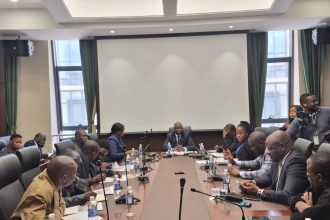
The Parliamentary Portfolio Committee on Environment, Climate and Wildlife is expected to conduct verification visits to Sabi Star Mine and surrounding communities this week before making its findings and recommendations.