By Pretty Chavango
As the world races to secure lithium and other critical minerals needed for the green energy transition, women living in Zimbabwe’s mining communities say they are paying a heavy price for a boom that has brought little benefit to their lives.
A research by the Economic Justice for Women Project (EJWP), conducted in Bikita, Buhera, Goromonzi, Mberengwa and Mutoko, has revealed that while Zimbabwe positions itself as a key player in the global critical minerals market, many women living closest to extraction sites continue to face displacement, environmental degradation, poverty, health challenges and social disruption.
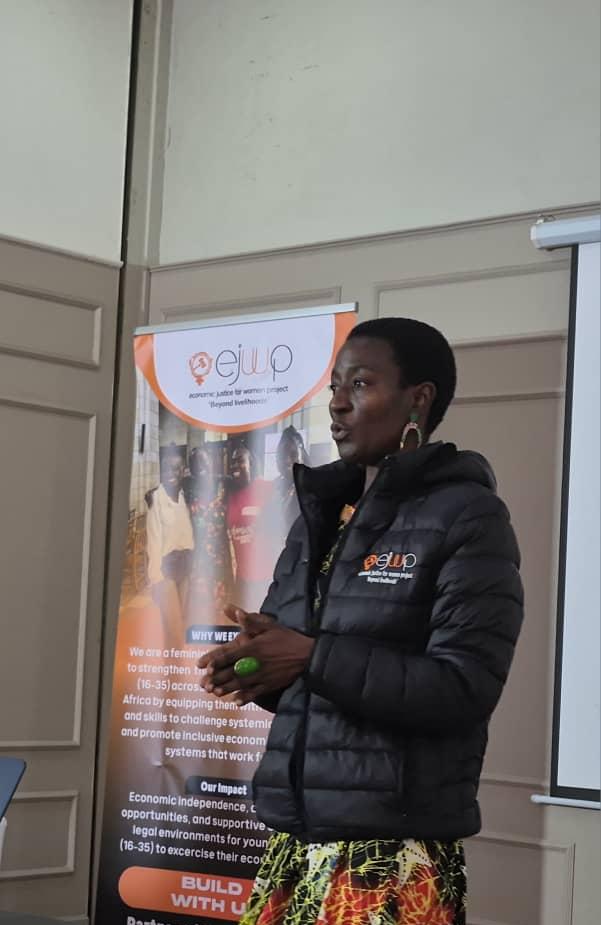
Presented during a stakeholder engagement meeting in Harare, the research, titled The Unchecked Cost of Green Minerals Extraction on Women’s Labour, Bodies and Futures in Zimbabwe, documents the experiences of 95 young women aged between 18 and 35 living in mining communities.
The research highlighted that women are not merely witnesses to the impacts of mining but are carrying much of the burden created by extractive activities.
“When we got to the communities, that’s when we faced the reality of what women experience every day,” one of the researchers told participants. “We heard stories of children dying in mining pits, respiratory illnesses linked to dust pollution, displacement from ancestral land and the emotional toll of living alongside large-scale mining operations.”
Land Lost, Promises Broken
Women from mining communities interviewed said mining companies promised development, jobs, improved infrastructure and economic opportunities. Instead, some communities reported losing fertile land, homes and access to clean water.
Women who had been relocated described receiving compensation that they said was far below the value of their homes and land. Others spoke of being moved to smaller, less productive plots while losing access to ancestral graves and cultural sites.
“The land is no longer ours,” one participant said, “Our homes are gone, our fields are gone, and the promises have not been fulfilled.”
Health and Environmental Costs
Across the five districts, women reported increasing health concerns linked to mining activities.
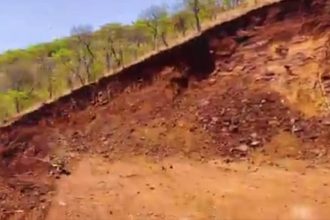
Community members spoke of constant dust from heavy trucks transporting minerals, with some reporting headaches, chest pains, eye problems and respiratory illnesses. Women also raised concerns about contaminated water sources, saying rivers that once supplied drinking water are now polluted by mining operations.
Open pits left behind by miners have become a major safety hazard, particularly for children. Participants recounted incidents of children falling into abandoned pits, while stagnant water accumulating in the pits has created breeding grounds for mosquitoes and other disease vectors.
The research further documented widespread deforestation, destruction of grazing land and environmental degradation that is undermining farming and other traditional livelihoods.
Women Carrying the Burden
One of the Economic Justice for Women Project’s most significant findings was the disproportionate burden borne by women.
As water sources become polluted or inaccessible, women are forced to walk longer distances to fetch water. As family members fall ill from pollution-related diseases, women take on additional caregiving responsibilities.
Researchers found that many women remain excluded from formal employment opportunities in the mining sector despite living in mineral-rich communities. Most survive through informal trading and small businesses that service mining operations.
In Goromonzi, 36 registered small-scale mining claims in one area were owned by men, with no women represented among claim holders.
Despite the enormous wealth generated by critical minerals, mining is not translating into prosperity for most women.
Rising Social Problems
The stories of these women also uncovered growing social challenges associated with mining expansion.
Women reported increases in school dropouts, child marriages, gender-based violence, sexually transmitted infections and family breakdowns.
Participants said the influx of foreign investors into mining communities has altered social structures and created new vulnerabilities for young women and girls.
One participant described mining as “a war zone” that is disrupting the social fabric of communities and creating tensions among families and neighbours.
Climate Justice and the Green Transition
The impacts of mining cannot be separated from the broader climate crisis.
Recurring droughts, water shortages and declining agricultural productivity are already placing pressure on rural communities. Mining activities, they found, often intensify these existing vulnerabilities.
Ironically, while lithium and other critical minerals are being extracted to support the global transition to renewable energy, many women living near mining operations remain trapped in energy poverty.
Most households surveyed still rely on firewood for cooking and lighting, with many unable to afford solar systems or renewable energy technologies.
This raises a fundamental question, Who is truly benefiting from Zimbabwe’s critical minerals boom?
Call for Accountability
Existing mining and environmental laws remain largely gender-blind and fail to address the specific impacts experienced by women, young people and persons with disabilities.
Weak enforcement was highlighted as a major challenge. Environmental regulators reportedly lack adequate resources to monitor mining activities, while penalties for environmental violations are often too small to deter large companies.
EJWP says the research is intended to serve as a foundation for long-term advocacy aimed at ensuring mining benefits communities rather than deepening inequality.
As Zimbabwe seeks to position itself as a global supplier of critical minerals, women from mining communities are demanding that their voices be included in conversations about the country’s future.
For them, the transition to a greener global economy cannot be considered just if it leaves behind the very communities living on top of the resources driving that transition.
Critical minerals, Critical for who?
“The question is not whether these minerals are critical,” one participant said. “The question is whether the people who live with the consequences are benefiting from them.”