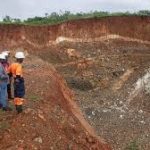

Zimbabwe’s decision to halt exports of raw lithium is more than a mining policy. It is a test of whether resource-rich countries can move beyond extractive economic models and build industries that capture real value from their natural resources.
At its core, the strategy is straightforward. By stopping the export of raw lithium, the government aims to force investment into local processing and manufacturing. This would allow Zimbabwe to benefit more fully from the global demand for lithium, which is a key component in batteries used for electric vehicles and renewable energy storage.
The potential rewards are substantial. While raw lithium generates relatively low returns, processed products such as lithium carbonate and lithium hydroxide command significantly higher prices on international markets. If Zimbabwe can establish itself as a producer of these higher-value materials, it could attract investment, create jobs, and position itself within global clean energy supply chains.
This approach mirrors strategies used by countries like Indonesia, which restricted the export of raw nickel in order to build domestic processing industries. That policy helped transform Indonesia into a major player in battery supply chains. However, replicating that success requires strong infrastructure, clear policy direction, and sustained investor confidence.
Zimbabwe faces significant structural challenges in this regard. Electricity shortages remain a major constraint, particularly for energy-intensive industries such as mineral processing. The cost of building processing plants is high, and the country continues to rely on imported technology. Transport and logistics systems also require substantial improvement.
The policy has also exposed tensions between national development goals and investor confidence. While government presents the ban as a necessary step to protect national interests, some investors view it as a sign of policy unpredictability. This perception could affect future investment decisions, particularly in a sector that requires long-term capital commitments.
For the policy to succeed, Zimbabwe will need to balance enforcement with support. This includes providing clear timelines for beneficiation targets, offering incentives for companies willing to invest in local processing, and supporting smaller mining operators who may struggle to adapt to the new requirements. Strengthening monitoring systems to reduce smuggling and improve accountability will also be critical.
Ultimately, the export ban is only the beginning. Real transformation will depend on whether Zimbabwe can build the industrial capacity, technical expertise, and infrastructure needed to sustain a beneficiation-driven mining sector.
The outcome of this policy will have implications beyond Zimbabwe. Across Africa, there is growing interest in ensuring that natural resources contribute to long-term development rather than simply feeding global supply chains. Zimbabwe’s lithium strategy will be closely watched as a test case of whether that ambition can be realised.