April 10, 2026
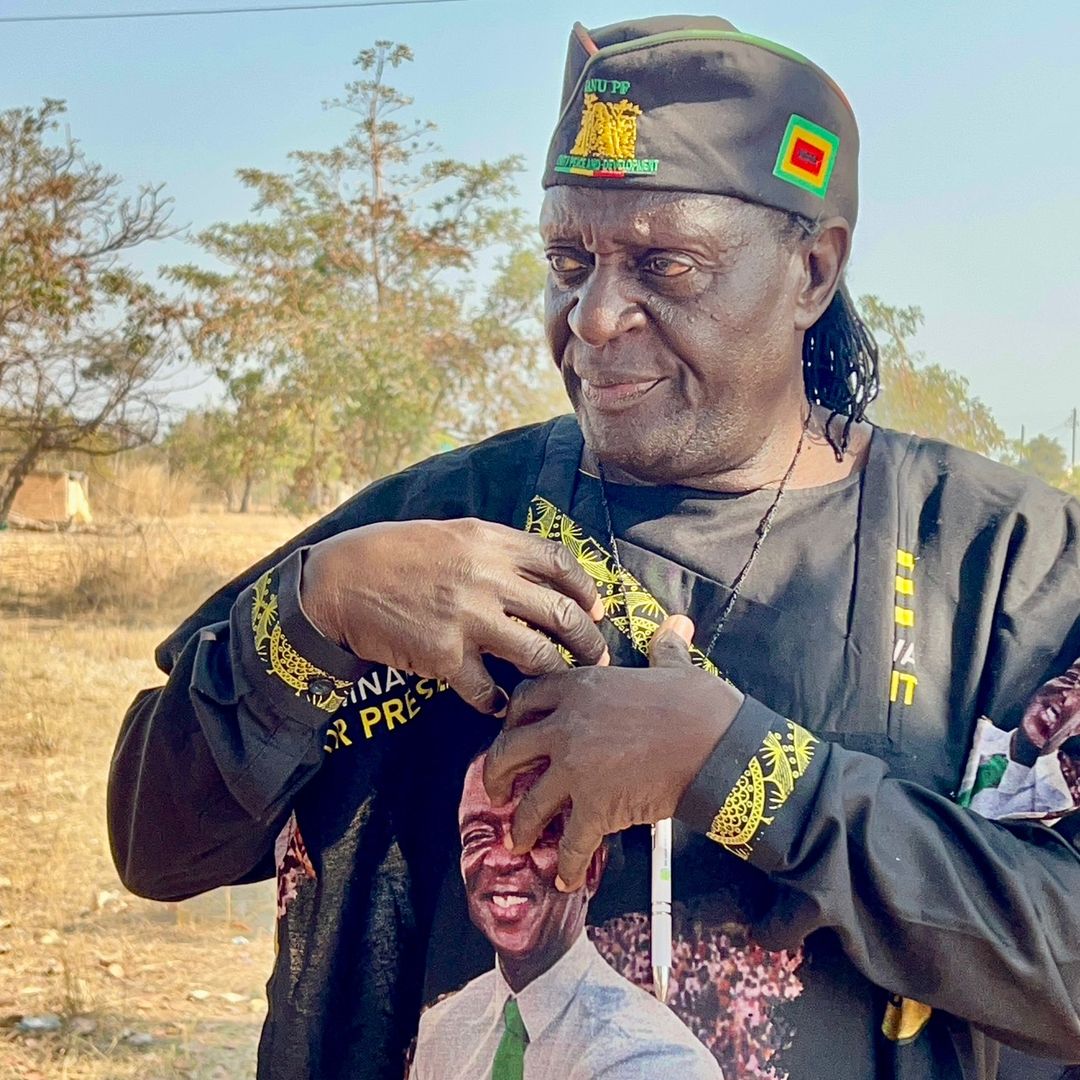
Bindura South legislator Remigious Matangira has called for the establishment of domesticated climate coordination platforms, proposing what he termed “local COPs” to strengthen Zimbabwe’s response to climate change.
Hon. Matangira made the remarks while commenting on a report of the Delegation to the 58th Plenary Assembly Session of the Southern African Development Community Parliamentary Forum, held in South Africa .
The report focused on “The Impact of Climate Change on Women and Youth in the SADC Region and the Role of Parliaments in Climate Change Mitigation and Adaptation.”
In his contribution, Hon. Matangira said Zimbabwe’s continued participation in global and regional climate platforms must be matched by stronger domestic coordination mechanisms that reflect local realities.
“We have attended countless global climate conferences, but it is about time that we come closer to home and domesticate interventions around climate change and its impacts,” he said.
He proposed the creation of national “local COPs”, describing them as structured platforms where government ministries, lawmakers, and stakeholders converge to coordinate climate action more effectively.
Hon. Matangira said such a mechanism would help address what he described as fragmentation in the country’s current climate response system.
“It is important for us across ministries to converge on this very important existential matter of climate change. I get the sense that we are too scattered and fragmented in the way we are addressing it,” he said.
He argued that climate change requires a whole-of-government and whole-of-society approach, given its cross-cutting impact on development, livelihoods, and ecosystems.
Hon. Matangira also highlighted the importance of aligning domestic action with continental frameworks such as the Kampala Declaration, which will guide African climate action from 2026 to 2035.
He further urged policymakers to ensure that climate frameworks are grounded in local realities and aligned with Zimbabwe’s National Adaptation Plan. In addition, the legislator called for stronger integration of indigenous knowledge systems with modern scientific approaches, particularly in environmental management.
“How do we get our village science to converge with conventional science?”
Matangira noted that traditional practices have historically played a key role in protecting ecosystems such as wetlands and forests, and should be incorporated into modern climate governance systems.
At the same time, pointing to emerging technologies such as Artificial Intelligence as important tools for climate forecasting and adaptation planning – combining indigenous knowledge, scientific research, and technological innovation to strengthen Zimbabwe’s ability to anticipate and respond to climate risks.
Hon. Matangira also called for the inclusion of traditional leaders and local communities in climate governance, particularly in environmental protection efforts.
The intervention comes as Southern African countries continue to face increasing climate-related shocks, including droughts, water stress, and ecosystem degradation, with women and youth disproportionately affected, according to the SADC PF report under discussion.