March 29, 2026
Heavy rains in the Zambezi Valley have left parts of Mana Pools National Park inaccessible, highlighting growing concerns over climate-driven damage to critical infrastructure in protected areas.
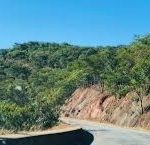
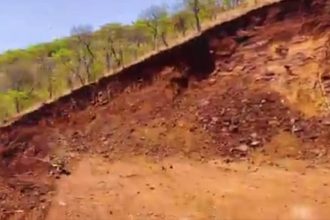
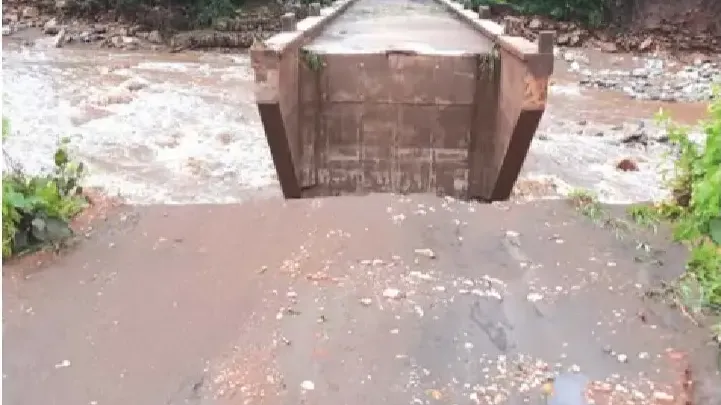
The rains, described as severe, have damaged major access roads and partially destroyed the Rukomechi Bridge, a key link into the park. Authorities say most routes are now impassable, effectively cutting off one of Zimbabwe’s most significant conservation and tourism sites.
While seasonal flooding is not new to the Zambezi Valley, the scale and impact of recent rainfall events are raising questions about whether infrastructure in fragile ecosystems is keeping pace with intensifying weather patterns linked to Climate Change.
Mana Pools sits in a floodplain ecosystem that depends on natural river cycles. But when extreme rainfall overwhelms roads and bridges, it disrupts not only tourism but also conservation operations , including anti-poaching patrols, research, and emergency response.
The damage comes at a time when Southern Africa is experiencing more unpredictable weather patterns, swinging between droughts and intense rainfall — a pattern scientists increasingly associate with climate change.
For local economies that depend on tourism, prolonged inaccessibility could mean lost income for guides, lodges, and surrounding communities. For conservationists, it raises a deeper concern: how resilient are protected areas to climate shocks?
The situation at Mana Pools is not just about a damaged road. It is a signal of a broader challenge, adapting conservation infrastructure to a changing climate while protecting the ecosystems it is built within.